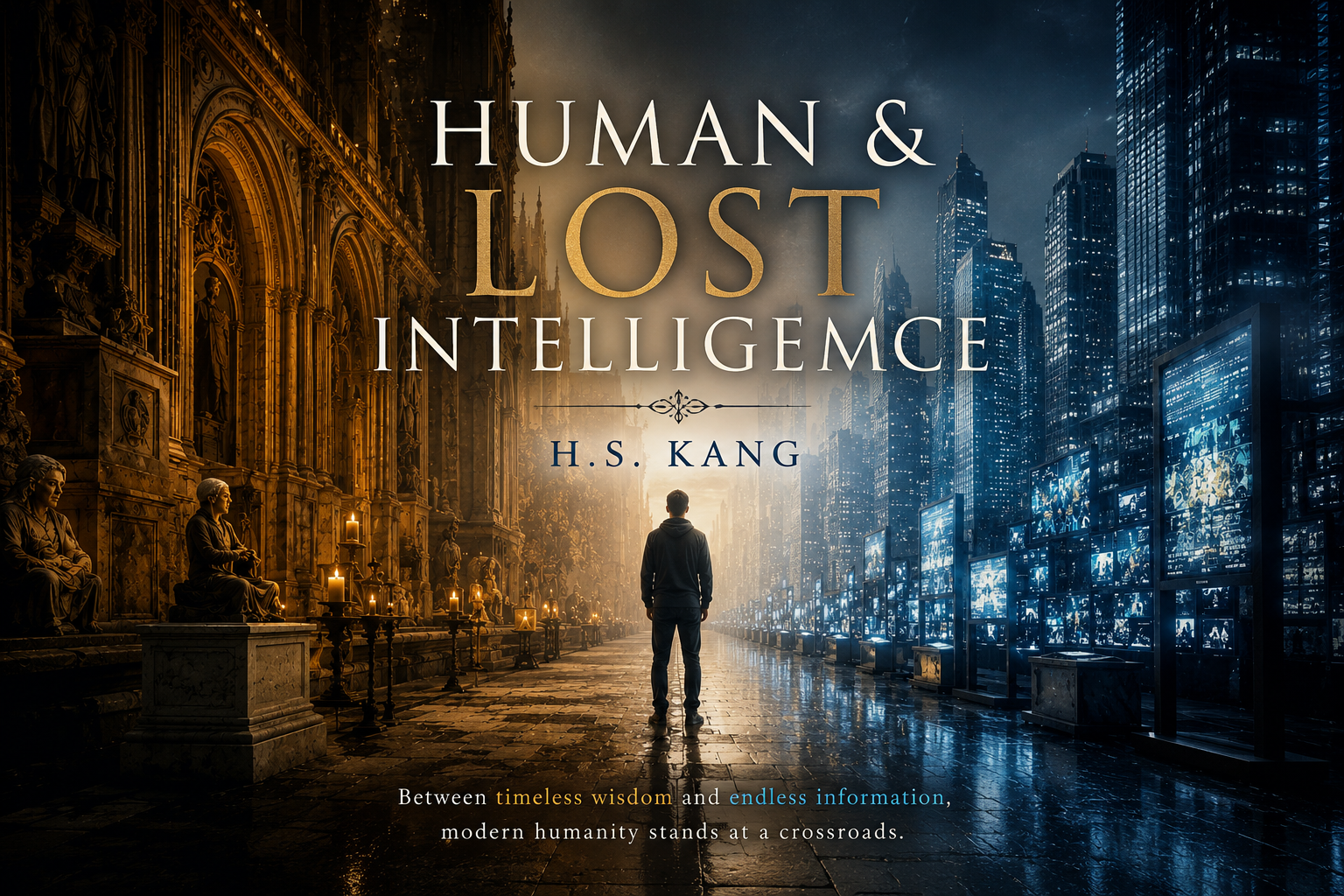
Every human has experienced this feeling at least once. You stand beneath an ancient cathedral, walk through the ruins of a forgotten temple, hear a piece of classical music written centuries ago, or stare at a sculpture carved by hands long turned to dust — and something inside you becomes silent. These creations feel alive in a way many modern creations do not. They carry a strange emotional weight, as if a part of the human soul was permanently pressed into stone, sound, or paint.
The mystery is not that ancient humans created such extraordinary things without modern technology. The deeper mystery is that even in an age of artificial intelligence, supercomputers, and limitless information, humanity still struggles to recreate the same emotional depth found in so many creations of the past.
Look closely at the ancient temples, cathedrals, and sculptures that survived centuries of war, weather, and collapse. Many were created by craftsmen who would never fit comfortably inside modern systems of intelligence measurement. Some had little formal education. Yet they possessed forms of intelligence that modern civilization rarely measures: patience, spatial imagination, emotional sensitivity, artistic instinct, and the capacity to devote themselves completely to a single meaningful task.
The builders of Gothic cathedrals often dedicated their entire lives to structures they would never live long enough to see completed. In many traditional Japanese crafts, apprentices spent decades mastering a single discipline before calling themselves masters. Their intelligence was not based on speed. It was based on depth.
Modern civilization, however, increasingly worships a different kind of intelligence.
Today, humanity can calculate faster, communicate instantly, and automate tasks that once required enormous human effort. Artificial intelligence can write essays, generate paintings, and compose music within seconds. The modern world has become extraordinarily powerful at processing information.
Yet despite all this advancement, something about modern life often feels psychologically fractured.
People are more connected, yet increasingly lonely. More entertained, yet mentally restless. Humanity solved distance, but quietly lost presence. Millions of people spend their lives surrounded by endless stimulation while struggling to sit alone with their own thoughts for even a few minutes. Silence itself has started to feel uncomfortable.
The problem may not be that humans are becoming less intelligent. It may be that modern civilization has quietly narrowed its definition of what intelligence is.
Schools measure it through memory and academic performance. Companies rank it by processing speed and analytical reasoning. These abilities matter. But philosopher and craftsman Matthew Crawford, in his examination of skilled work and human attention, argues that genuine intelligence also lives in the hands — in craftsmanship, in the act of making something real through sustained effort and care. A storyteller, a healer, an architect, a blacksmith: each carried forms of intelligence that were not incidental to civilization but essential to it. Human worth was not always reduced to measurable productivity.
In many cultures, creation was deeply connected to identity. People did not simply produce objects. They placed parts of themselves into what they made. That is why so many ancient works still feel emotionally alive centuries later. They contain evidence of patience, sacrifice, attention, and human presence.
The modern world moves differently.
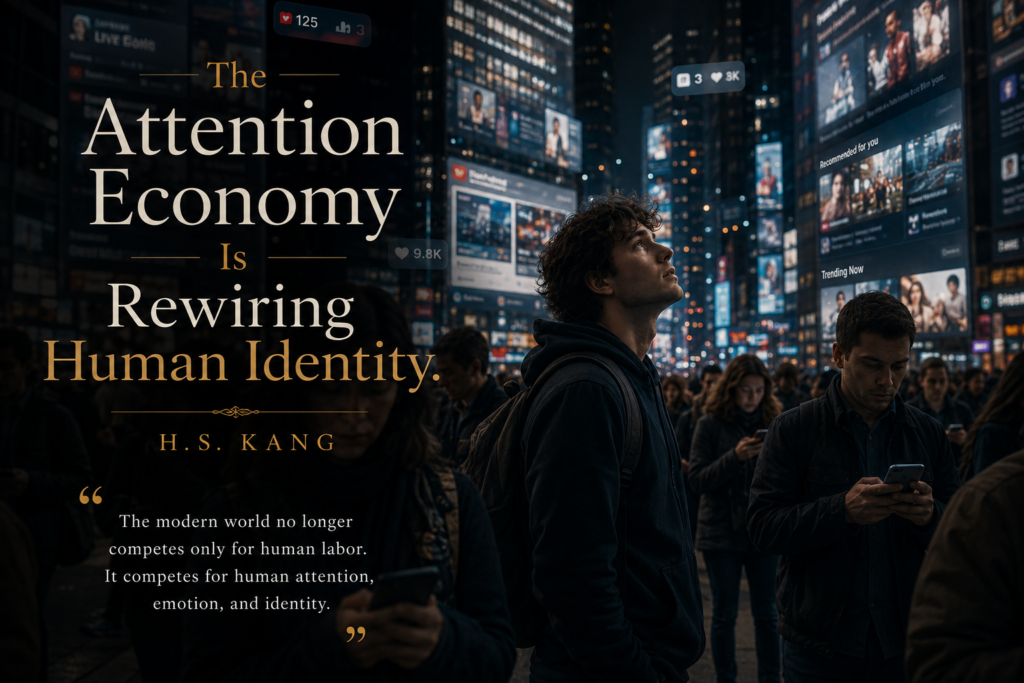
Speed has become a symbol of success. Attention is constantly interrupted by notifications, scrolling, advertisements, and short videos competing for psychological space every waking hour. Earlier civilizations trained human attention through slowness, repetition, and immersion. Many modern systems, by contrast, monetize their destruction.
For the first time in history, humanity may be consuming more information than it can emotionally process. The human nervous system was never designed for permanent stimulation. This creates a strange exhaustion that millions of people quietly experience but struggle to name — not physical tiredness from survival, but cognitive overload. A scattered mind. A constant feeling of internal noise.
This is not a nostalgic argument. Earlier humans faced famine, disease, and violence that modernity has mercifully reduced. Psychological peace was not the universal condition of ancient life. But there is something worth examining in how earlier forms of life — shaped by slowness, apprenticeship, and deep immersion in craft — may have cultivated a quality of presence that a speed-optimized civilization makes structurally difficult to sustain.
Even creativity itself has changed. Many modern systems reward speed over mastery, visibility over depth, and reaction over reflection. Art is increasingly consumed in seconds. Music becomes background noise. Writing competes against collapsing attention spans. Creation is pressured to become content before it becomes meaningful.
This may explain why so many people still feel emotionally overwhelmed when standing before ancient architecture or witnessing extraordinary craftsmanship. These creations remind humans of something they instinctively recognise but rarely experience anymore: deep human presence. Not efficiency. Not optimization. Presence.
Technology itself is not the enemy. Artificial intelligence is not inherently destructive. These tools may improve human life in real and lasting ways. But the deeper question is what happens when humans slowly stop engaging deeply with their own minds — when convenience replaces reflection, and endless stimulation weakens the capacity to observe, feel deeply, or create meaningfully.
What happens when a civilization becomes brilliant at producing information but loses the habit of producing wisdom?
The greatest risk of the modern world may not be that machines are becoming more capable. It may be that humans are slowly forgetting the deeper forms of intelligence that once made civilization feel profoundly human — the intelligence of patience, of presence, of devotion to a craft whose reward may not arrive for decades.